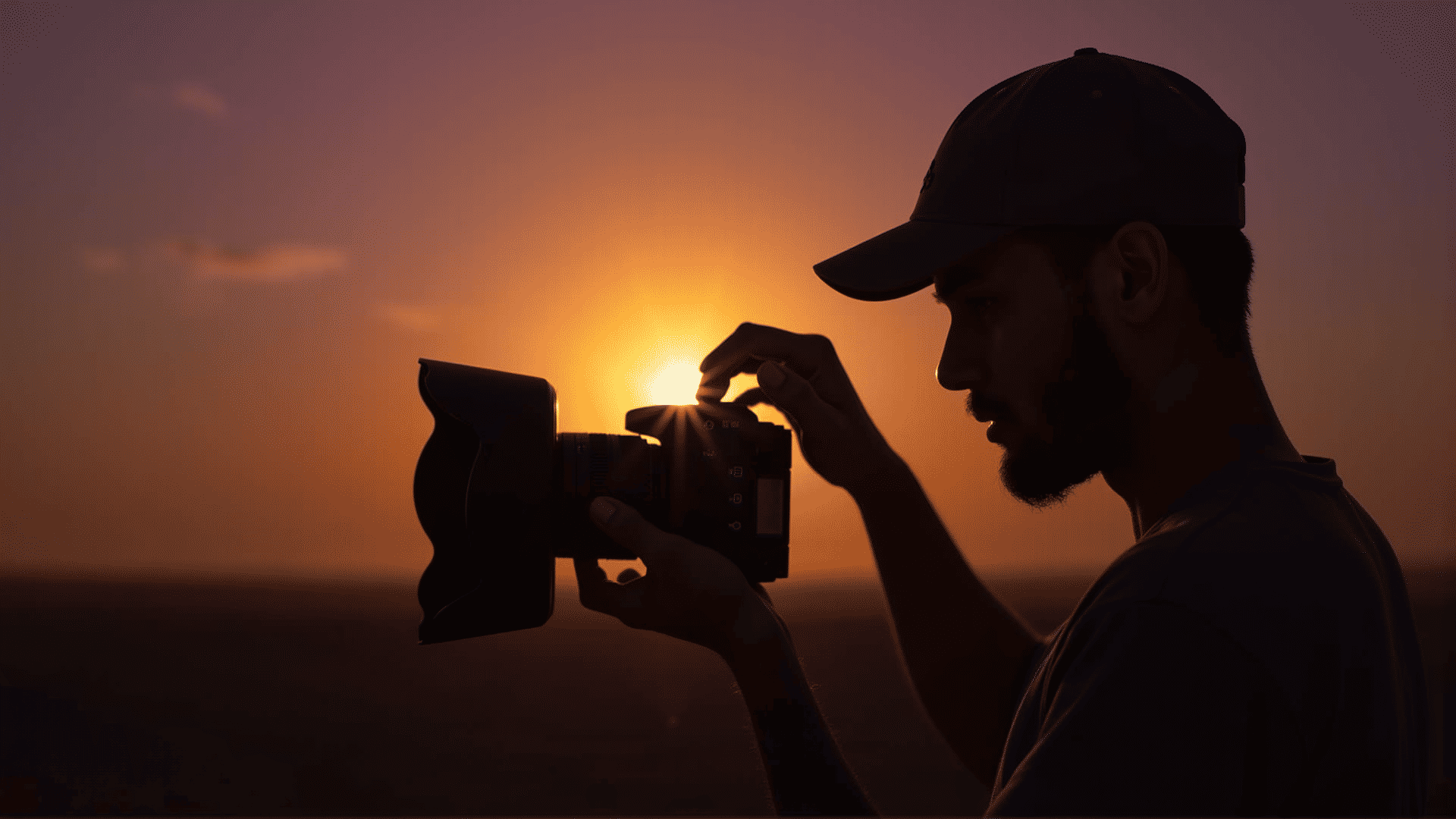
In the world of photography, mastering camera techniques can make the difference between an average snapshot and a stunning image. Understanding and applying different techniques can significantly enhance the quality of your photographs.
One of the fundamental aspects of photography is understanding how to adjust your camera settings for various lighting conditions. This includes mastering the interplay between aperture, shutter speed, and ISO. Aperture controls the depth of field and the amount of light entering the camera. A wider aperture (lower f-number) allows more light and creates a blurred background effect, which is perfect for portraits. In contrast, landscape shots usually require a smaller aperture (higher f-number) to keep more elements in focus.
Shutter speed is crucial for capturing motion. A faster shutter speed freezes movement, which is ideal for high-action scenes like sporting events. Slower shutter speeds can introduce motion blur, effectively conveying the dynamism of moving subjects or creating dreamy, flowing effects with water.
ISO settings help in adapting to the intensity of light in different situations. A lower ISO is suitable for bright conditions, maintaining clear and sharp images. When the lighting is minimal, increasing the ISO can prevent image darkening, but it may introduce noise.
The art of composition cannot be overlooked when refining your photography skills. The rule of thirds is a valuable principle that divides the frame into nine equal sections with two horizontal and two vertical lines. Positioning the key elements of your photo along these lines or at their intersections can make your pictures more balanced and engaging.
Understanding light and its properties is another vital element. Golden hour, the period shortly after sunrise or before sunset, is prized for its warm, soft light that enhances colors and adds depth to your subjects. In contrast, midday light can be harsh and create unwanted shadows, so it's beneficial to seek shade or use fill flash to soften them.
Another technique involves experimenting with different perspectives. Shooting from a low angle can add drama and scale, while high vantage points can offer a fresh, comprehensive view.
Lastly, practice is paramount. Capture images under different conditions to develop an instinctive understanding of your equipment and subject matter. This will enable you to make quick decisions, ensuring that you always achieve the perfect shot.
In conclusion, advancing your camera techniques involves understanding and manipulating various settings, mastering composition, and experimenting with different angles and light sources. With patience and persistence, these skills will become second nature, allowing you to consistently create remarkable photographs.