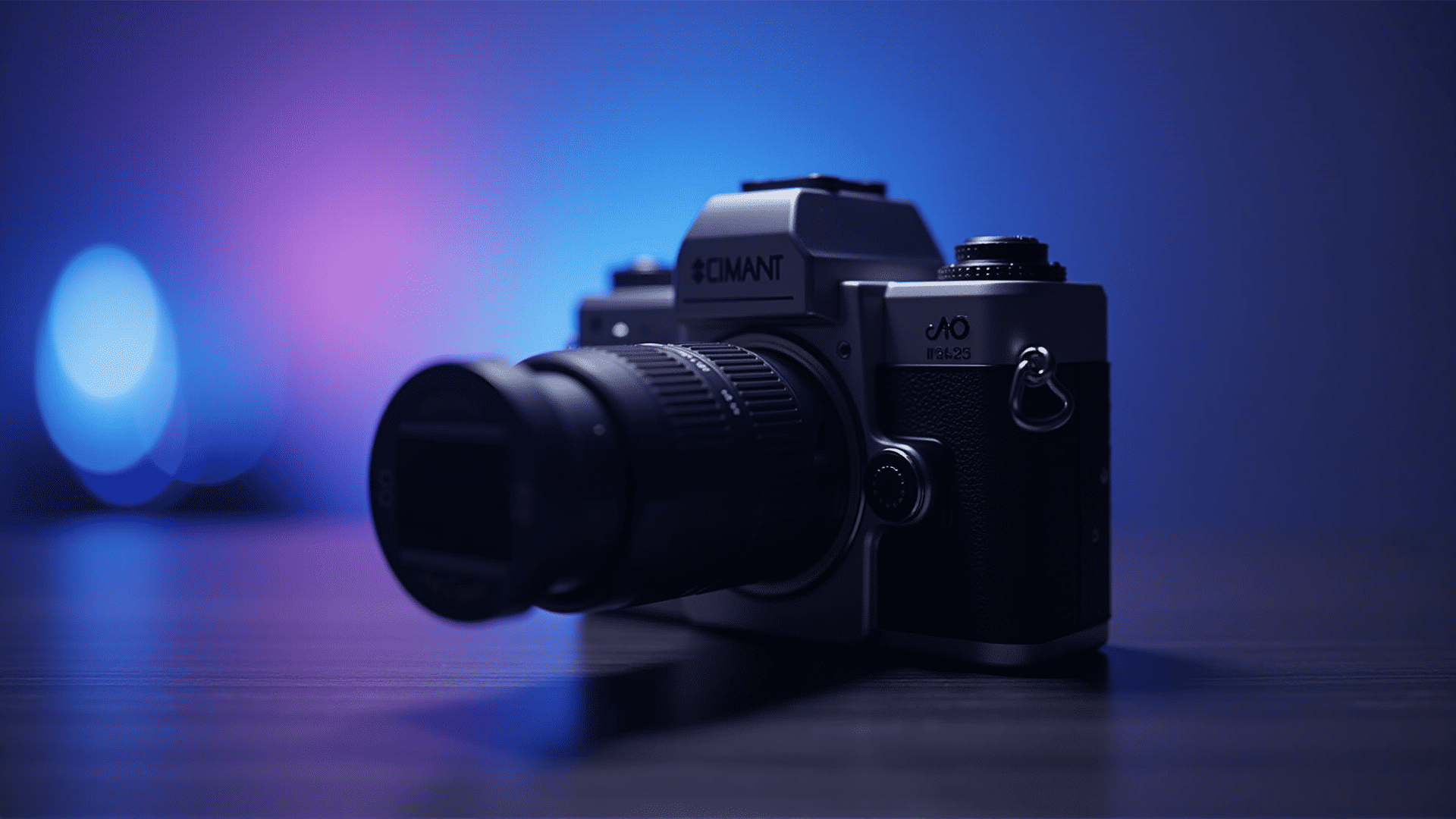
Understanding the art of photography can transform how you frame the world around you. By mastering camera techniques, you can craft stunning images that capture moments with clarity and emotion. Here are some key techniques to help you elevate your photography skills.
Understanding Your Camera
Before diving into techniques, it's essential to become familiar with your camera. Explore the manual to comprehend the functions and settings it offers. This foundational knowledge will empower you when adjusting settings in various shooting scenarios.
Mastering the Basics
-
Exposure Triangle: Understanding the relationship between aperture, shutter speed, and ISO is crucial. The aperture controls the depth of field, shutter speed influences motion blur, and ISO affects the sensor's sensitivity to light.
-
Focus Techniques: Whether your camera offers manual or auto-focus, knowing when to use each effectively can make a significant difference. Auto-focus is great for fast-moving subjects, while manual focus offers precision for static scenes or creative effects.
-
Composition Rules: Learn the rule of thirds, leading lines, and framing to create engaging images. Placing subjects in strategic positions can help guide the viewer’s eye and add interest to your photos.
Advanced Techniques
-
Long Exposure: This technique is perfect for capturing striking night scenes or creating motion effects with water or clouds. Use a tripod to keep your camera steady and explore various shutter speed settings to achieve the desired motion blur.
-
HDR Photography: High Dynamic Range (HDR) involves taking multiple shots at different exposures and combining them to highlight details in shadows and highlights. This technique is particularly useful in scenes with high contrast.
-
Panorama: Stitching multiple images together to create a wide-angle view offers a dynamic perspective, perfect for landscapes. Maintaining consistent settings across all photos ensures seamless coverage.
Lighting Techniques
-
Golden Hour: Capture the soft, warm glow during the hours after sunrise and before sunset. This lighting enhances colors and reduces harsh shadows, resulting in more flattering images.
-
Studio Lighting: Understanding the use of softboxes, reflectors, and diffusers can dramatically improve indoor photography. Experimenting with light modifiers allows for control over shadows and highlights.
Post-Processing
While great photography often begins with the camera, post-processing can enhance your images further. Familiarize yourself with software that allows you to adjust brightness, contrast, and color balance. Subtle edits can turn a good photo into a great one without compromising its authenticity.
Practice and Experimentation
Finally, practice is key. Regularly experimenting with different settings and styles will refine your skills over time. Each photo opportunity is a chance to learn something new and improve your technique.
By embracing these camera techniques, you can progress from a novice to a seasoned photographer, capturing images that resonate with viewers. Remember, the journey of photography is not just about technical skills but also about creative vision and expression.