In the world of photography, mastering the art of lighting is akin to unlocking a hidden dimension in every shot. Light is not just a source of illumination; it is a tool that adds depth, texture, and emotion to a photograph. Whether capturing the grandeur of a scenic landscape or the subtle emotions in a portrait, understanding how to manipulate lighting can transform an ordinary scene into something extraordinary.
The first step in leveraging lighting effectively is appreciating natural light. The golden hours—shortly after sunrise and before sunset—are renowned for casting a warm, soft glow that photographers crave. This natural lighting enhances colors and creates long shadows that can add depth and dimension. Midday sunlight, while harsh, can be softened by light diffusers or by seeking out shade, ensuring that even the brightest part of the day offers photographic potential.
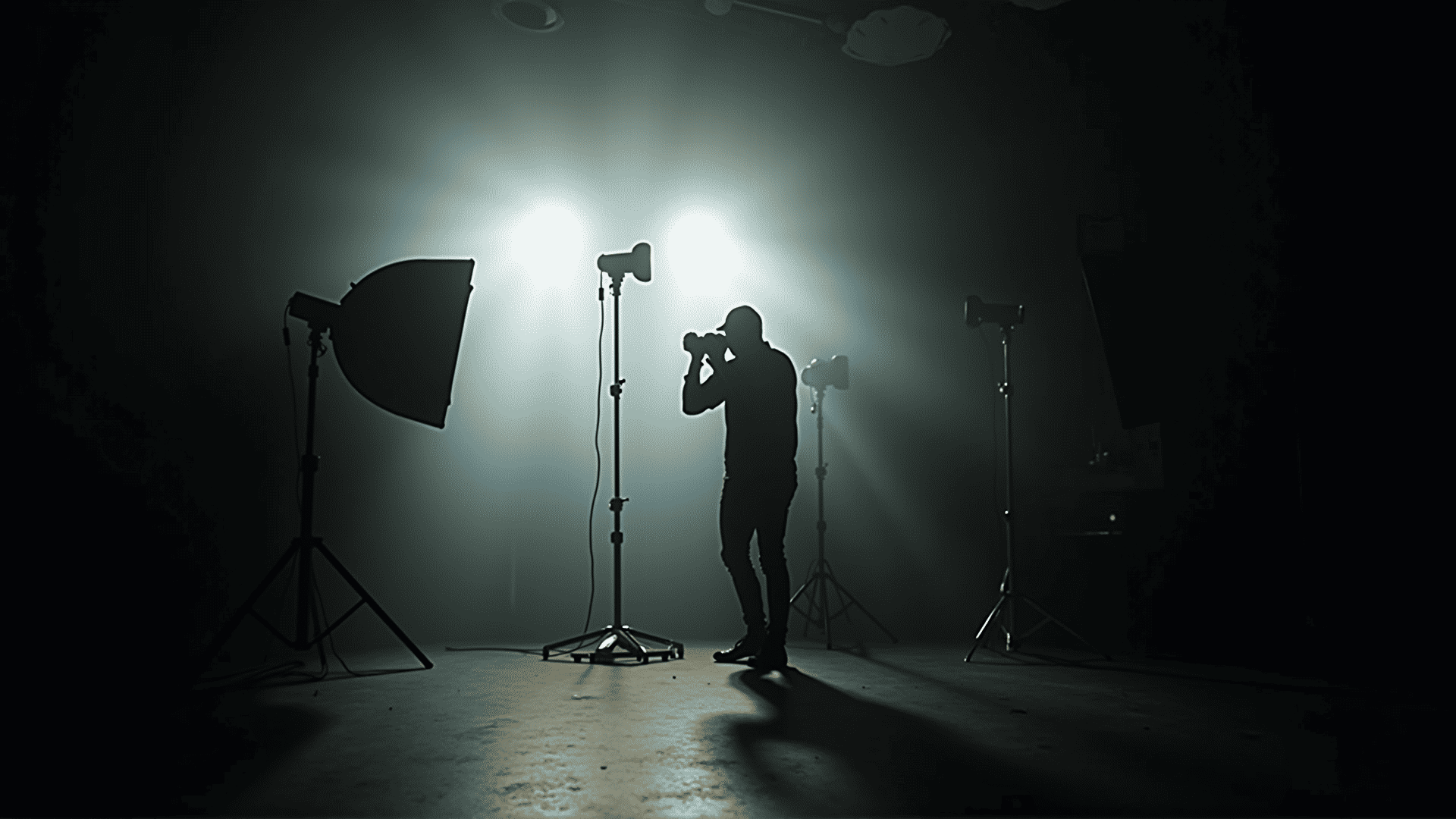
Artificial lighting, on the other hand, provides flexibility and control. Studio setups with softboxes or strobes allow photographers to direct light precisely, sculpting shadows and highlights to their needs. This control is particularly useful in portrait photography, where the right balance of light can highlight the subject's features and set the mood—be it dramatic, joyful, or contemplative.
Reflections and silhouettes are other techniques used to play with light creatively. Reflectors can bounce light onto the subject, filling in shadows and adding a natural glow. Silhouettes, created by placing the subject in front of a bright light source, can produce a stark, striking image with a focus on form and outline rather than detail.
Emotional storytelling through lighting is another powerful aspect. High-key lighting results in bright, low-contrast images that exude cheerfulness, while low-key lighting, characterized by deep shadows and strong contrasts, evokes mystery and depth. Mood and atmosphere are not just captured through the subject matter but through the interplay of light and shadow.
Furthermore, colored lighting can introduce a layer of creativity, offering a visual narrative or evoking particular feelings. A cool blue might impart a sense of calm or melancholy, while a vibrant red can indicate passion or urgency. Gels placed over light sources can be employed to achieve these effects without altering the overall composition of the shot.
Understanding the nuances of lighting is essential for every photographer, from beginners to seasoned professionals. It is about experimenting with angles, intensity, and color to discover how each element can alter the perception of the image. With practice, photographers can harness the transformative power of lighting to craft images that resonate on an emotional and artistic level.
The magic of lighting in photography is in its ability to transcend the ordinary, revealing the unseen and telling stories that words sometimes cannot. As every photographer explores this fundamental aspect of their art, they uncover an ever-expanding palette with which to paint their visual narratives.