Capturing the essence of a scene, whether it be through an intimate portrait or an expansive landscape, requires a blend of technical skill, creative vision, and a deep understanding of the subject. The journey of mastering these two distinct yet interconnected forms of photography offers an enriching exploration of the world and its diverse beauty.
Understanding the Essentials
Portrait Photography
A compelling portrait tells a story through the expressions, gaze, and posture of its subject. Mastering this art means delving into the nuances of human emotion and character. Start by familiarizing yourself with basic lighting techniques. Soft, diffused lighting is often preferred to create a gentle and flattering illumination on the subject’s face. Understanding the impact of light direction and intensity can dramatically transform a portrait from ordinary to extraordinary.
Composition is another critical element. The rule of thirds is a handy guideline that helps create balanced and engaging portraits. Consider also the background and its impact. A simple, uncluttered backdrop often works best to keep the focus on the subject.
Building rapport with your subject is crucial. A relaxed and comfortable subject will exude authenticity, which is vital for capturing genuine emotions. Engaging in conversation and directing them gently can often lead to more natural and expressive outcomes.
Landscape Photography
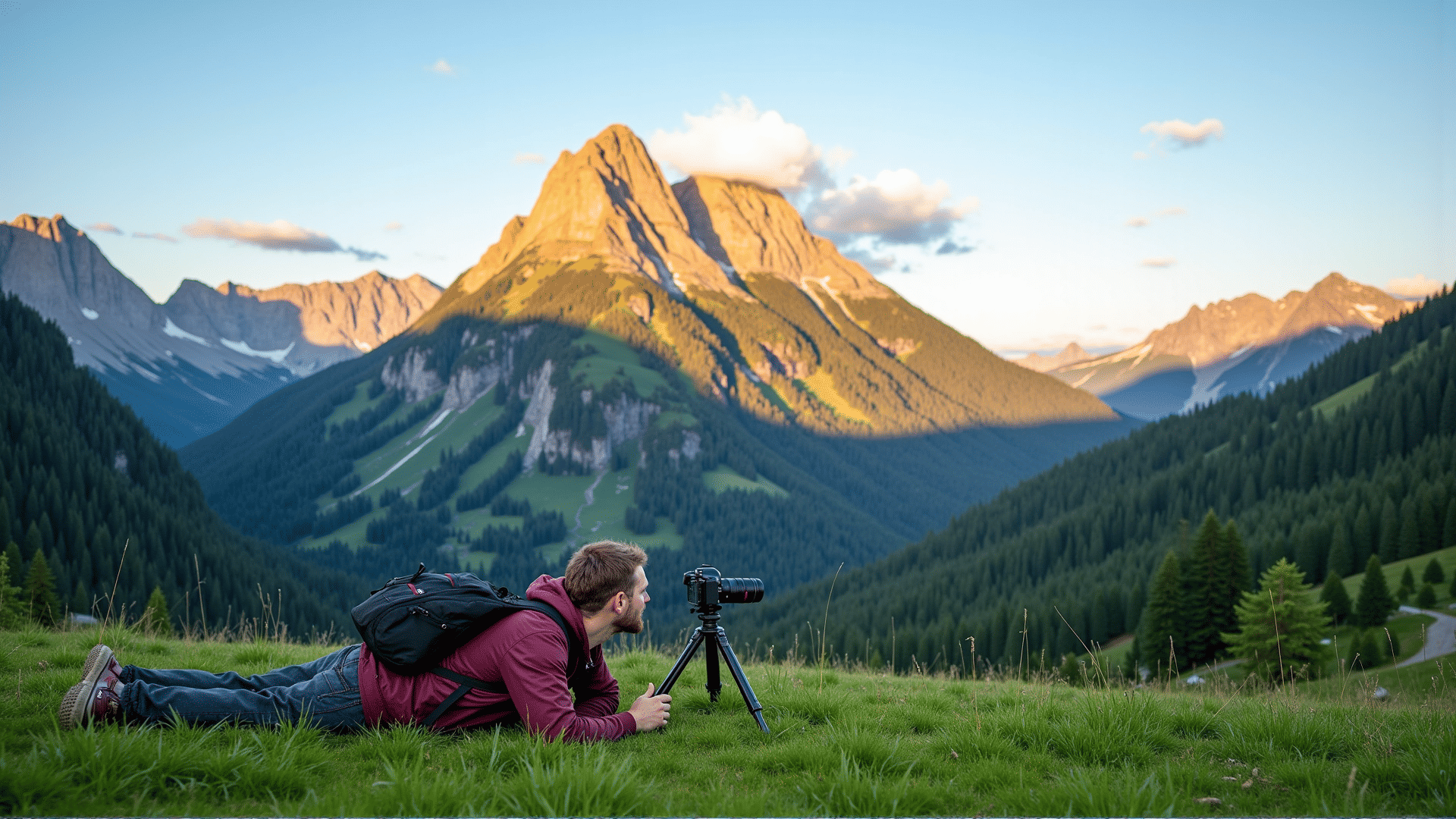
Capturing sweeping landscapes is about conveying the magnificence and scale of the environment. Knowledge of light is equally important here, with the golden hours of sunrise and sunset providing the most dramatic and favorable conditions. The interplay of shadows and highlights during these times can add depth and interest to your compositions.
Composition techniques such as leading lines, the rule of thirds, and framing can help guide the viewer’s eye through the image, creating a sense of journey and exploration. Foregrounds are particularly important in landscape photography, providing a point of interest and context in the image.
Utilizing a tripod can be advantageous for capturing sharp images during long exposure shots, which is useful for illustrating motion, like flowing water or moving clouds, to add dynamism to your photos.
Developing Your Unique Style
As you hone your skills, experimentation is key. Try different perspectives, techniques, and settings to see how they influence your work. Post-processing is another avenue where personal style can develop, allowing you to play with color grading, saturation, and contrast to enhance the emotional appeal of your images.
Sharing Your Work
Engagement with communities can be immensely rewarding. Whether through local photography clubs or online platforms, sharing your work encourages feedback and inspiration. It’s a two-way street where you can learn from others’ experiences while also inspiring newcomers with your unique perspective.
Conclusion
Mastering portrait and landscape photography is a journey that encompasses both technical proficiency and artistic expression. It’s about understanding how light interacts differently with a human face compared to rolling hills or a vast ocean. This mastery lies in the intersection of creativity, technology, and a keen observation of the world in all its intricate beauty. By embracing both empathy for your subjects and wonder for the world around you, you open the door to creating images that resonate deeply and tell captivating stories.